Makakatana Bay Lodge — first-paint frame

Makakatana Bay Lodge

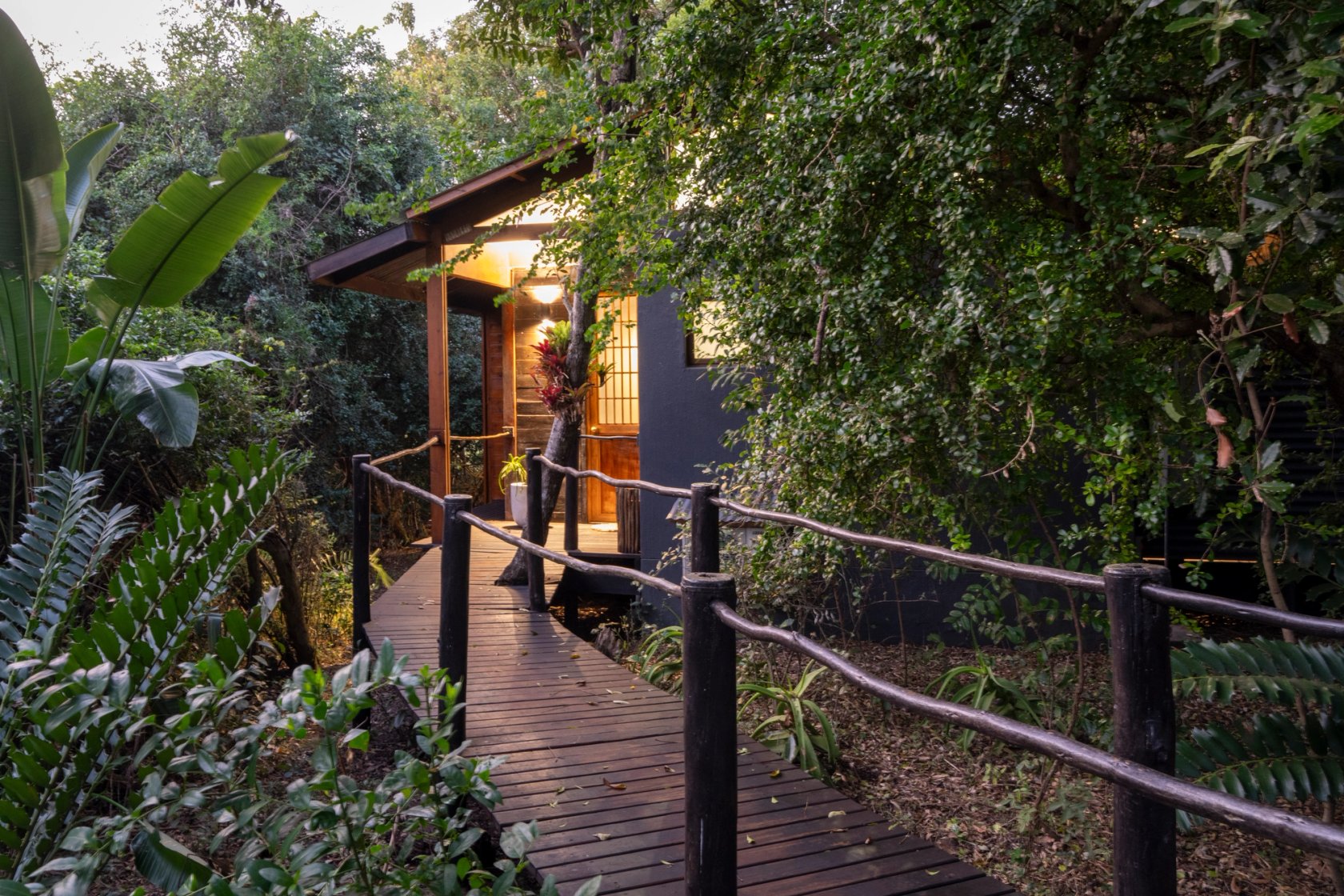
Makakatana is a private camp on Lake St Lucia, inside the iSimangaliso wetland.

Explore South Africa's first UNESCO World Heritage Site.

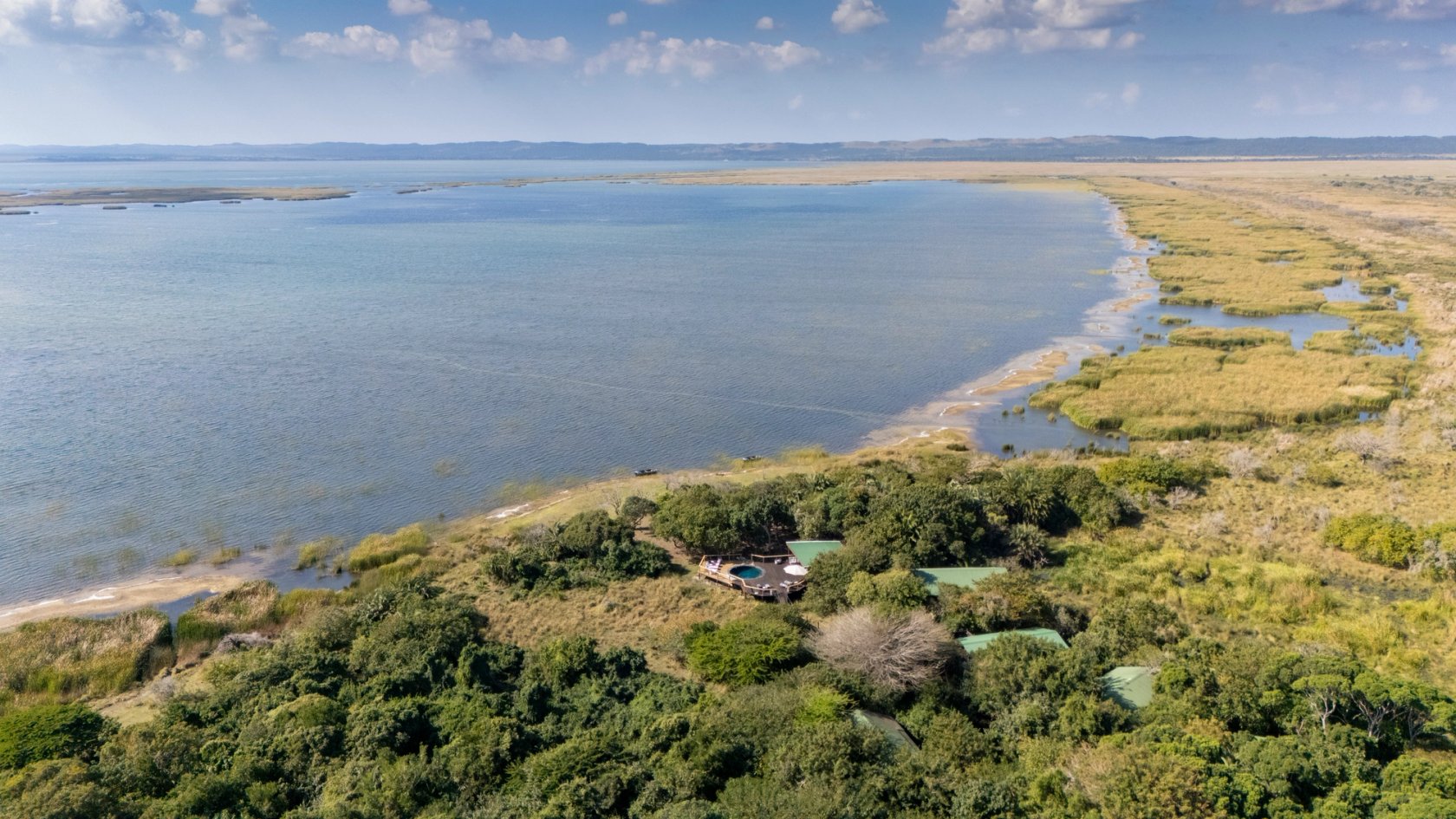
Makakatana Bay Lodge is a private camp on the western shore of Lake St Lucia, inside the iSimangaliso Wetland Park — the only privately owned lodge within the park.

Share this lodge

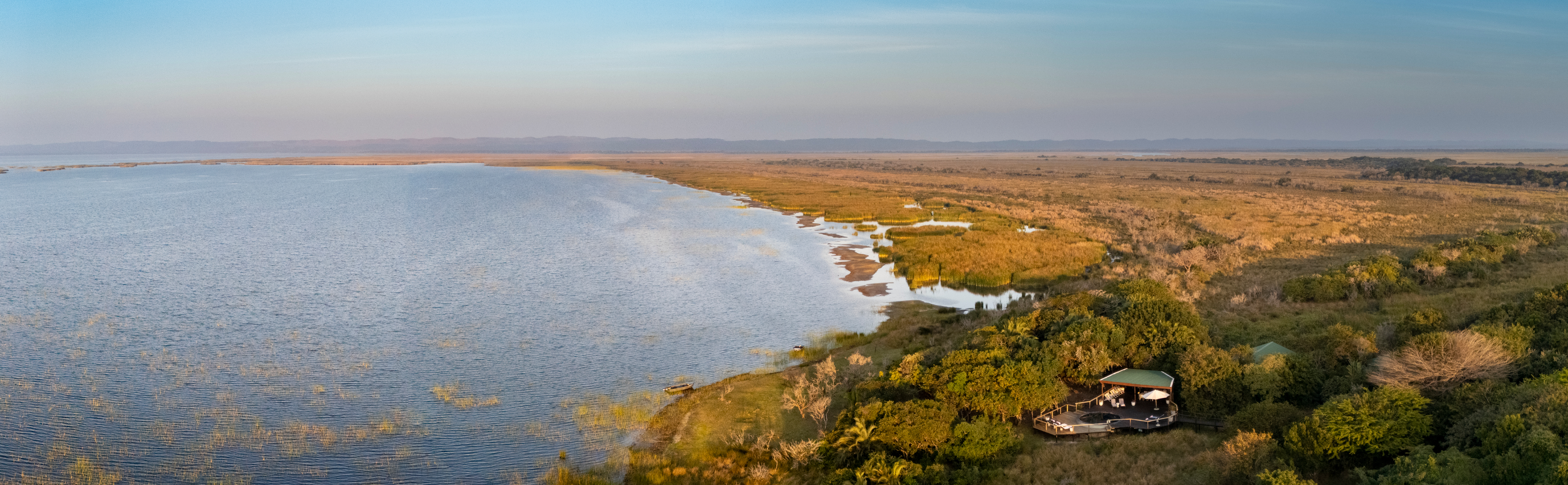
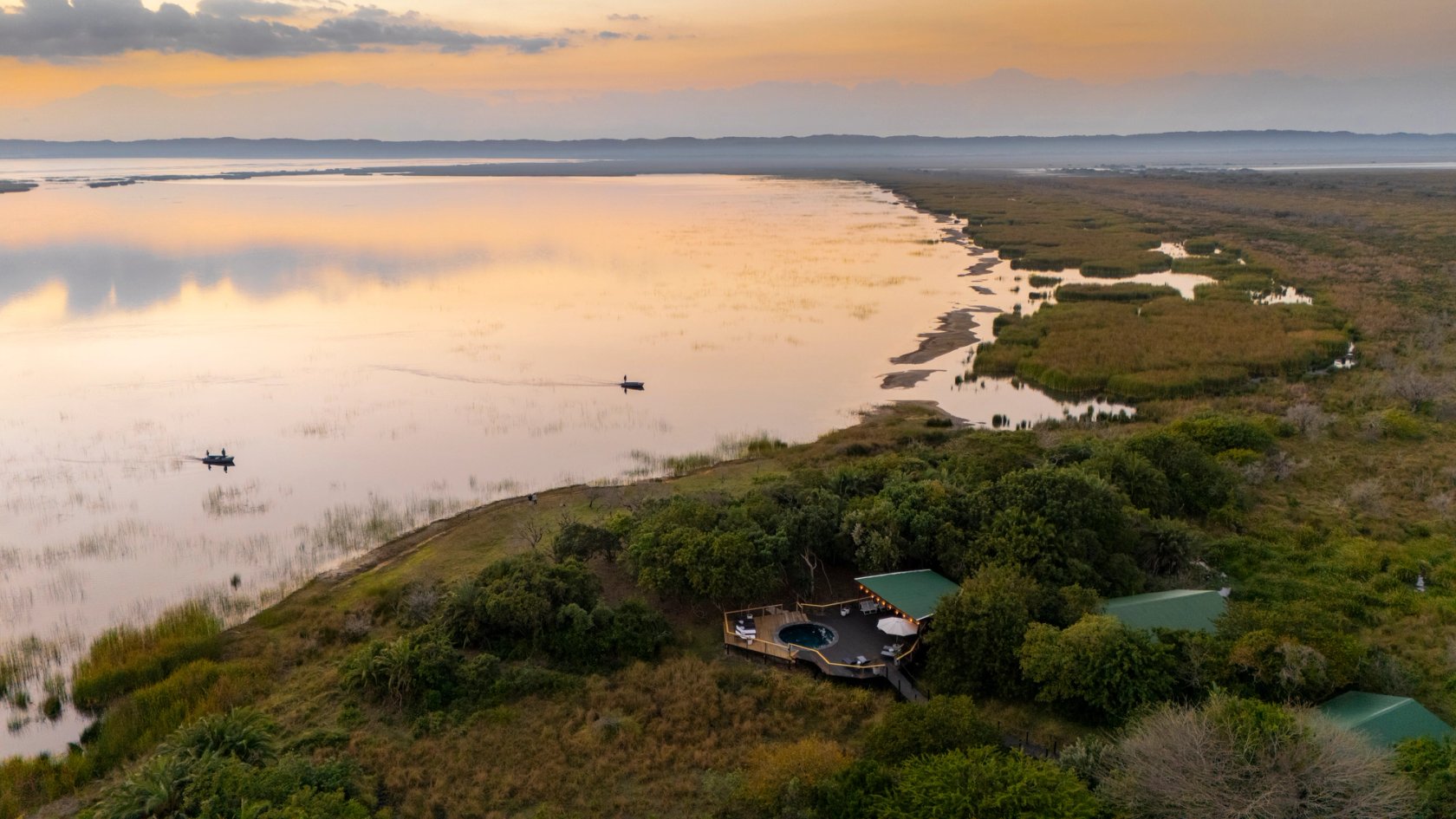
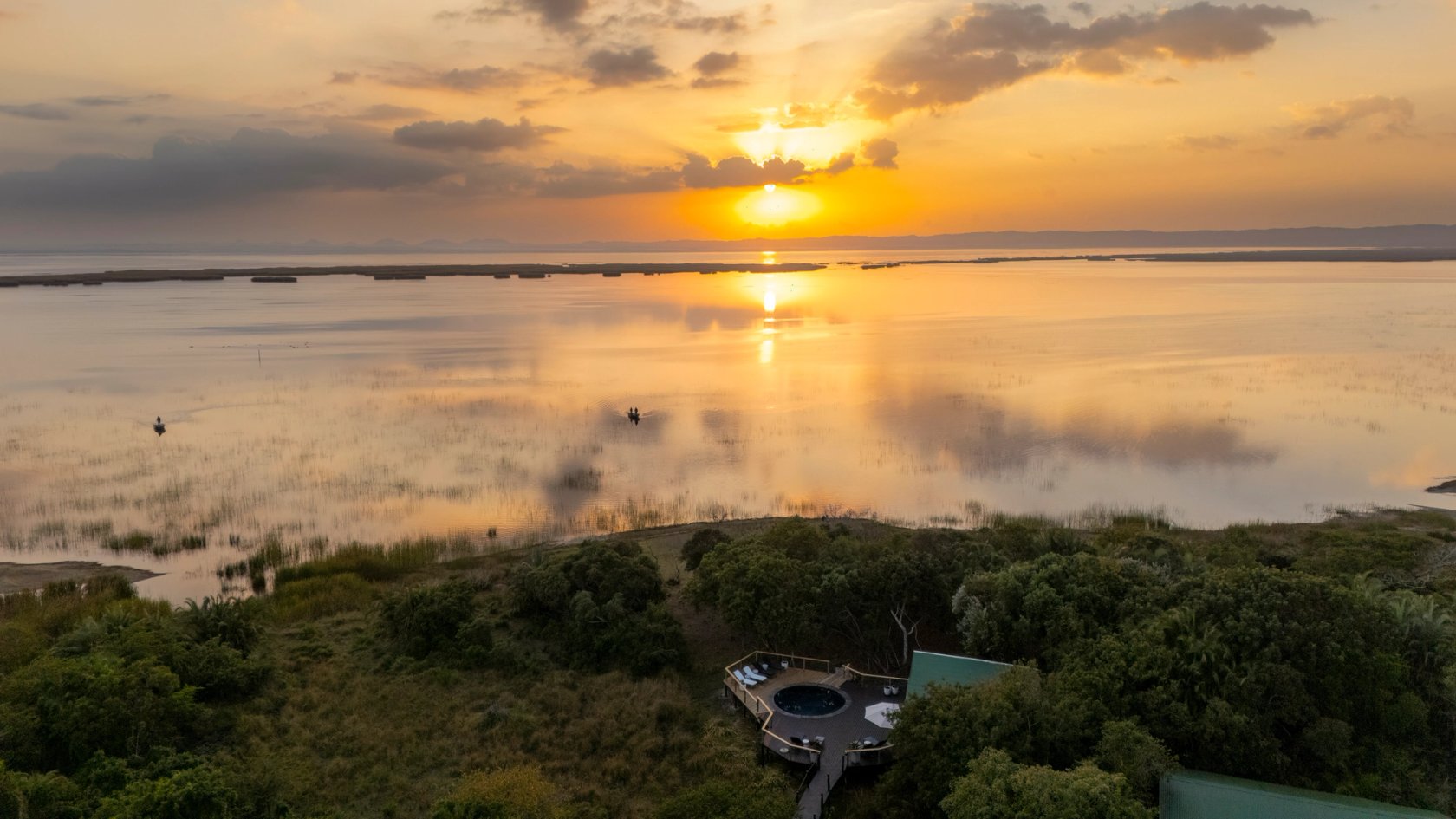
A wide lake panorama at duskMakakatana Bay LodgeiSimangaliso Wetland Park
  • Established 1999Family-run since 1999
  • iSimangaliso Wetland ParkKwaZulu-Natal, South Africa
  • Global Winner: Luxury Safari Lake LodgeWorld Luxury Hotel Awards, 2023 and 2024

About Makakatana Bay Lodge

Makakatana Bay Lodge sits on the western shore of Lake St Lucia, inside the iSimangaliso Wetland Park — South Africa's first UNESCO World Heritage Site. Hugh and Leigh-Ann Morrison opened the lodge in 1999, and it remains the only privately owned lodge within the park. The family has been tied to this stretch of the lake since the early 1900s, when Hugh's grandfather kept a store and a crab house on the land the lodge now occupies.

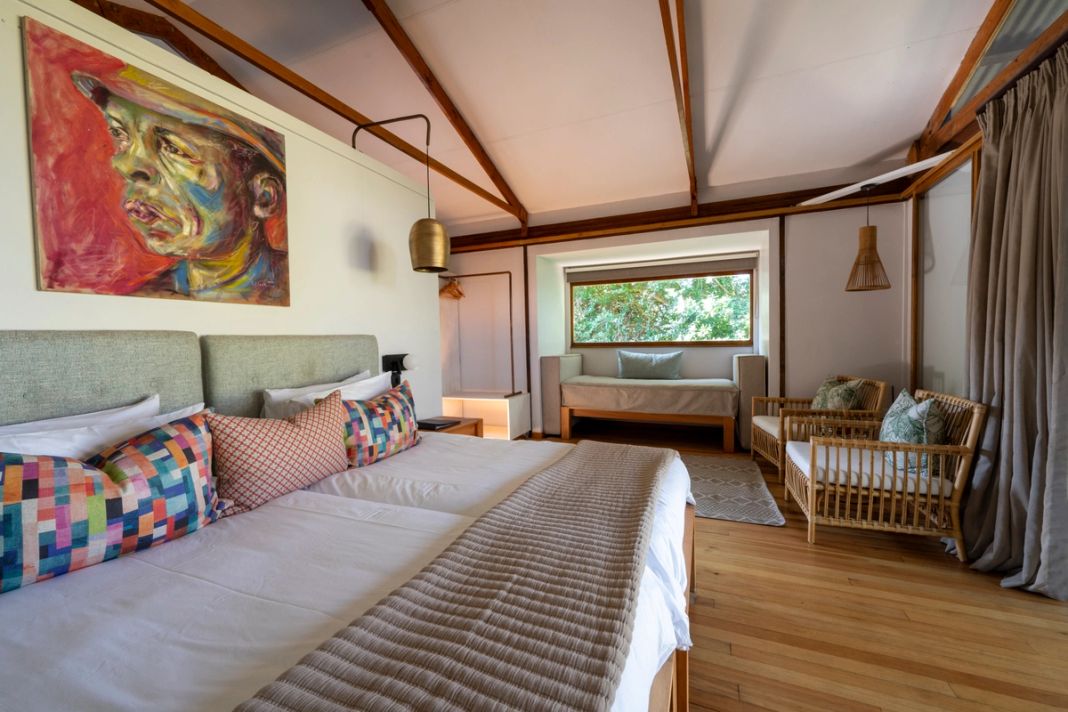
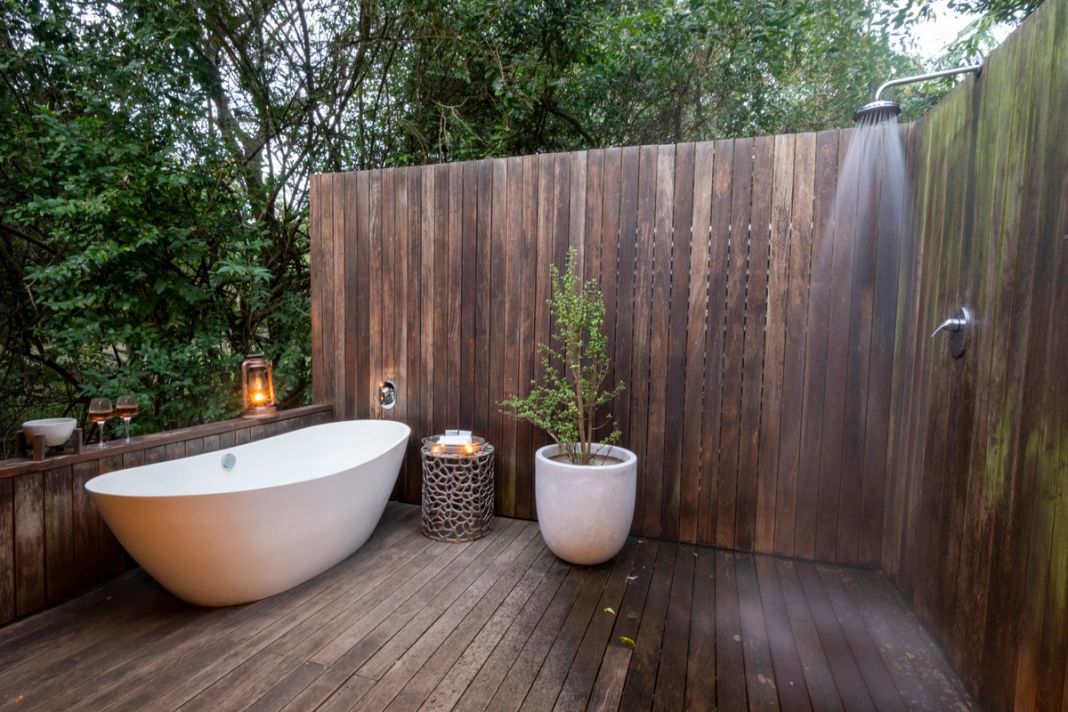
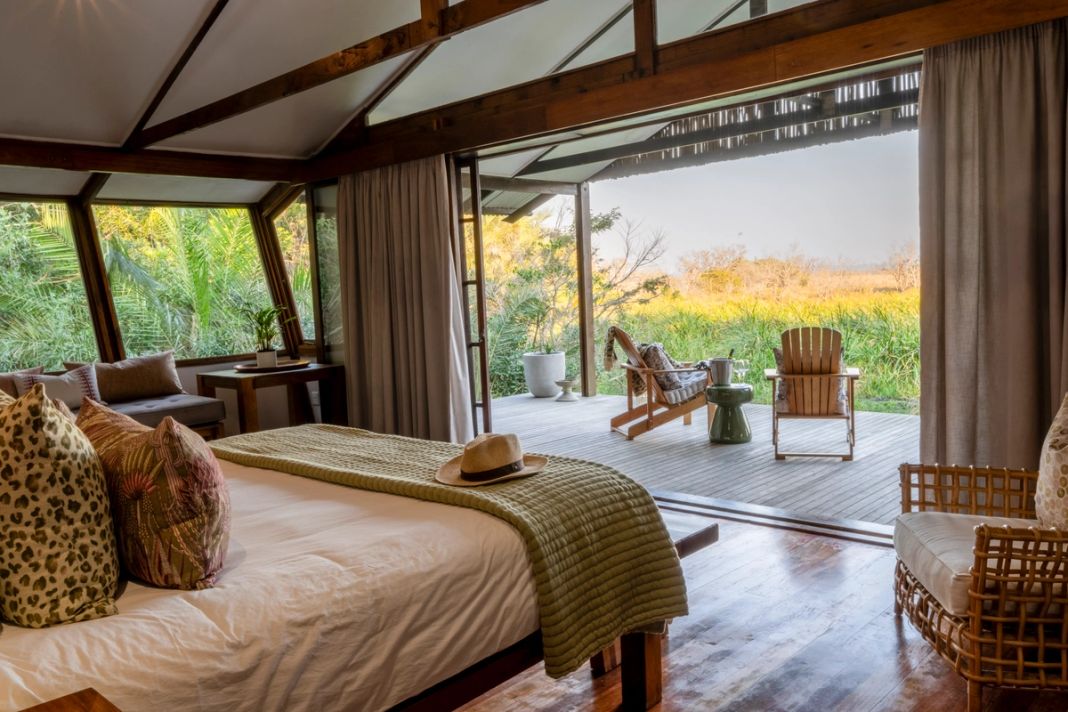
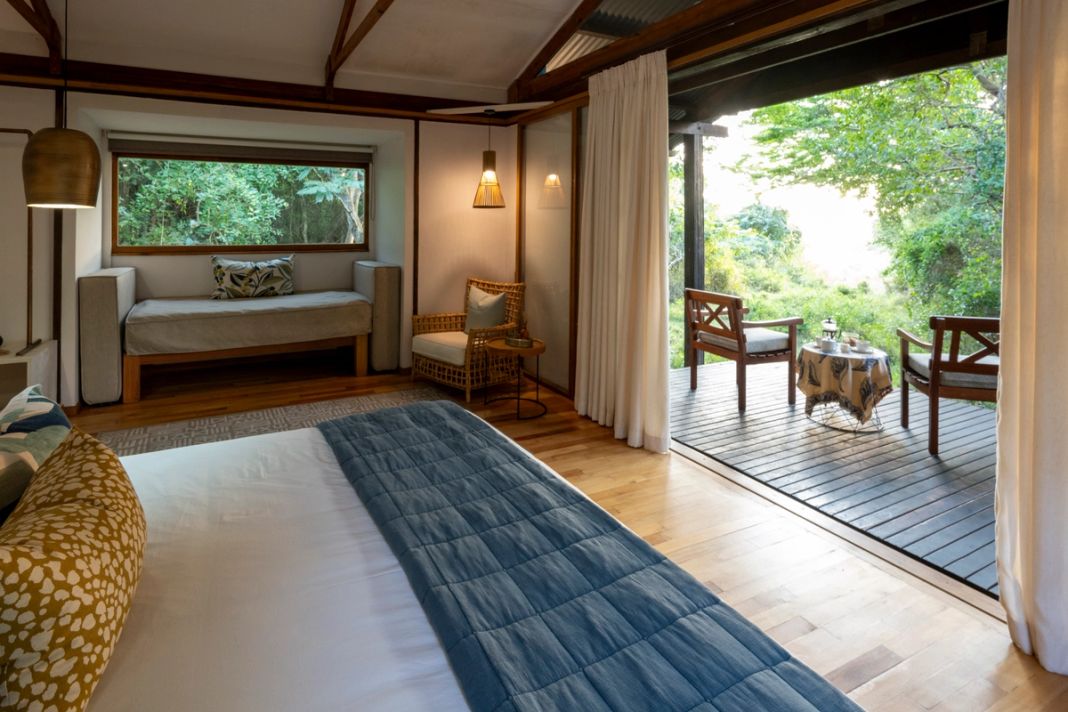
The lodge holds eight suites — five luxury suites, two family rooms, and one honeymoon suite — set among the dune forest along the wetland edge, each with a private deck and an indoor and outdoor bathroom. Days run on game drives, solar-powered eco-boat cruises on the estuary, and trips to the Indian Ocean beaches. Meals are cooked from scratch, and the standard rate covers meals, scheduled activities, and selected drinks.

About Makakatana Bay Lodge

Makakatana Bay Lodge sits on the western shore of Lake St Lucia, inside the iSimangaliso Wetland Park — South Africa's first UNESCO World Heritage Site. Hugh and Leigh-Ann Morrison opened the lodge in 1999, and it remains the only privately owned lodge within the park. The family has been tied to this stretch of the lake since the early 1900s, when Hugh's grandfather kept a store and a crab house on the land the lodge now occupies.

The lodge holds eight suites — five luxury suites, two family rooms, and one honeymoon suite — set among the dune forest along the wetland edge, each with a private deck and an indoor and outdoor bathroom. Days run on game drives, solar-powered eco-boat cruises on the estuary, and trips to the Indian Ocean beaches. Meals are cooked from scratch, and the standard rate covers meals, scheduled activities, and selected drinks.

The lodge grew from Hugh Morrison's childhood on the lake. The family has run trading stores in Zululand since the early 1900s, and the crab in the lodge logo refers to the old concrete block house Hugh's grandfather, John Kemp Morrison, built to store fish and crabs; the building later became the lodge wine cellar. Hugh and Leigh-Ann's three sons are the fourth generation at Makakatana.

The setting is the iSimangaliso Wetland Park, where wetlands, grasslands, dune forest, and the Indian Ocean coastline meet. The lake supports hippo, crocodile, and a deep bird list — the lodge records more than 500 species in the park. The lodge runs on solar power, including its boats.

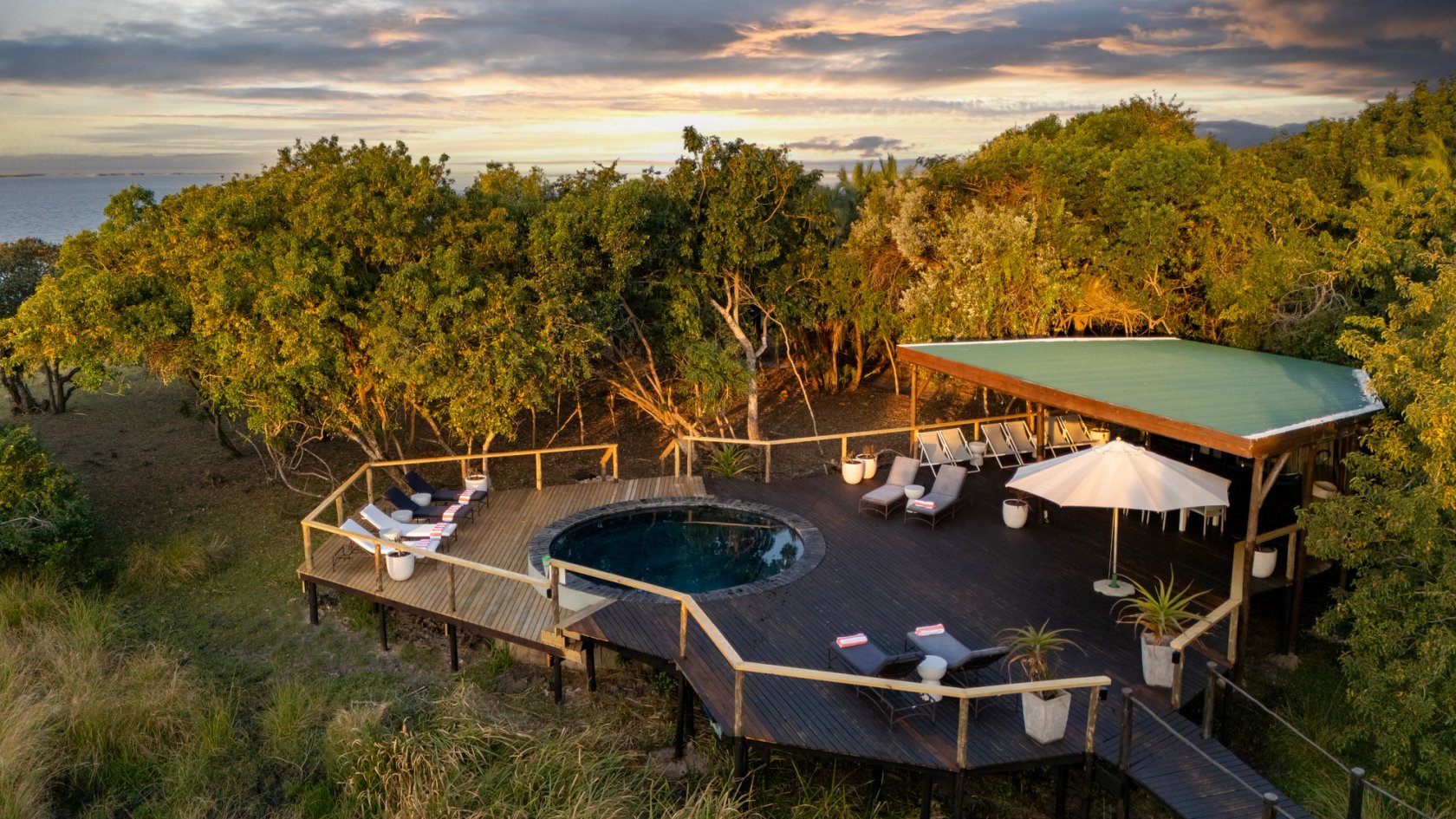
Accommodation is eight suites: five luxury suites, two family rooms, and one honeymoon suite, several tucked into dune forest. Suites carry private decks, air-conditioning, mini-bars, and indoor and outdoor showers. The main lodge holds a bar, a dining room, a lounge, an outdoor dining deck, and the wine cellar in the old crab house.

The standard fully inclusive rate covers all meals, scheduled activities, and selected beverages — soft drinks, local beers, and house wines on the lodge's own rates material. The published basis runs an afternoon game drive on arrival day, a morning drive on departure day, and full-day excursions between: eco-boat cruises on Lake St Lucia, beach trips to the ocean coastline, and a full day to Hluhluwe-iMfolozi or the Western Shores with brunch. Park entry fees and the lodge conservation levy are charged separately, and turtle safaris, scuba diving, horse safaris, and fishing are billed as extras.

Makakatana is reached on a drive of roughly two and a half hours from Durban's King Shaka International Airport, and about an hour and a half from Richards Bay. The lodge belongs to the African Safari Collective, and the World Luxury Hotel Awards named it a global winner in 2023 and again in 2024.

What’s included

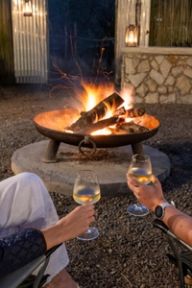
  • A lodge lounge opening to the water

    All meals

    Every meal is cooked from scratch at the lodge and is part of the nightly rate.

  • A lodge lounge opening to the water

    Selected drinks

    Soft drinks, local beers, and house wines are named on the lodge's fully inclusive basis.

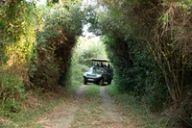
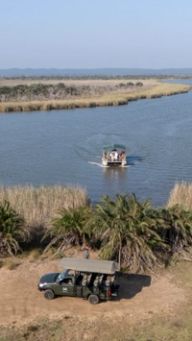
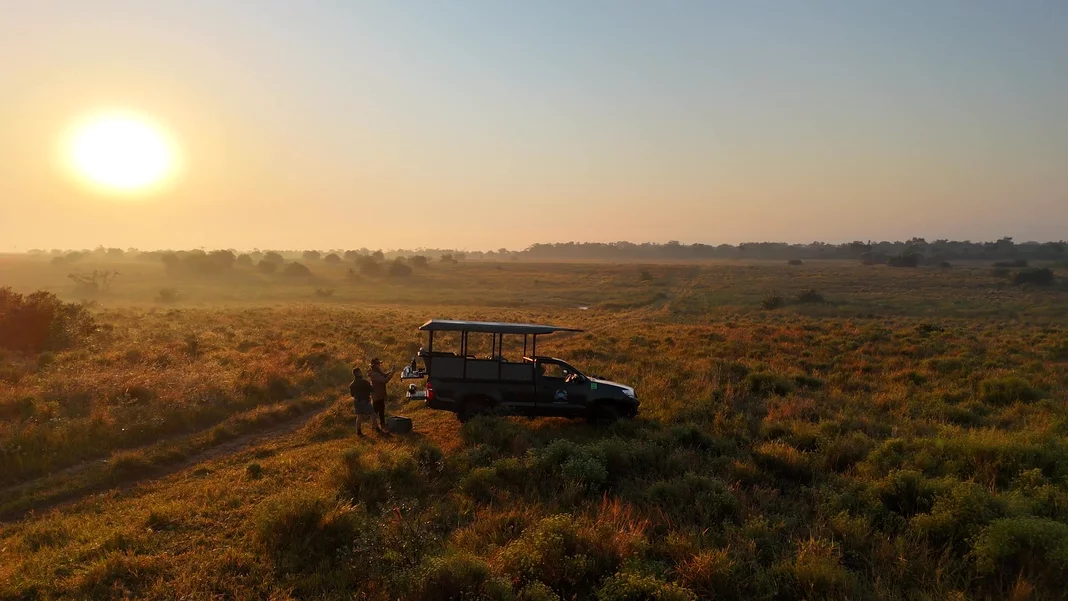
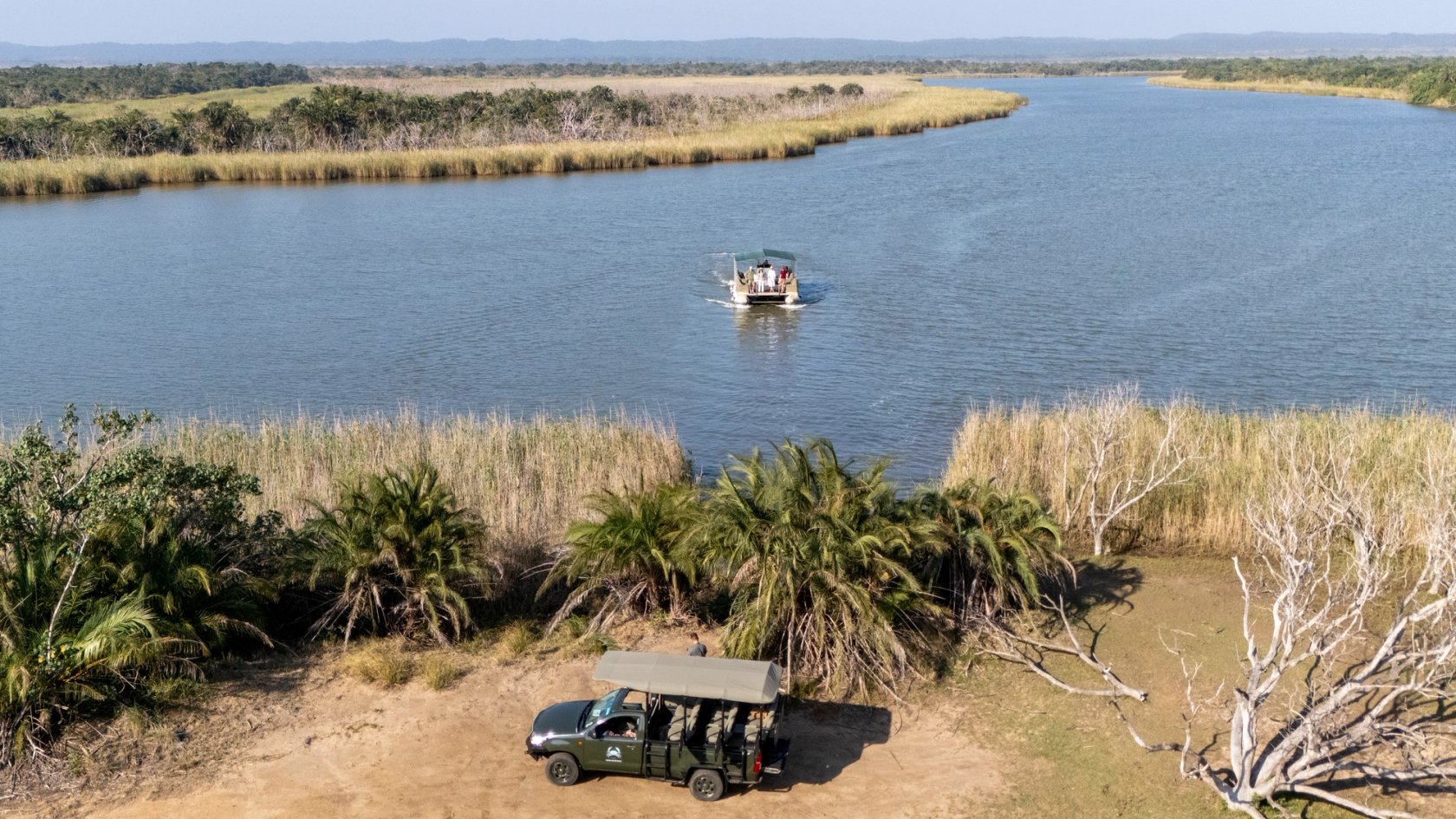
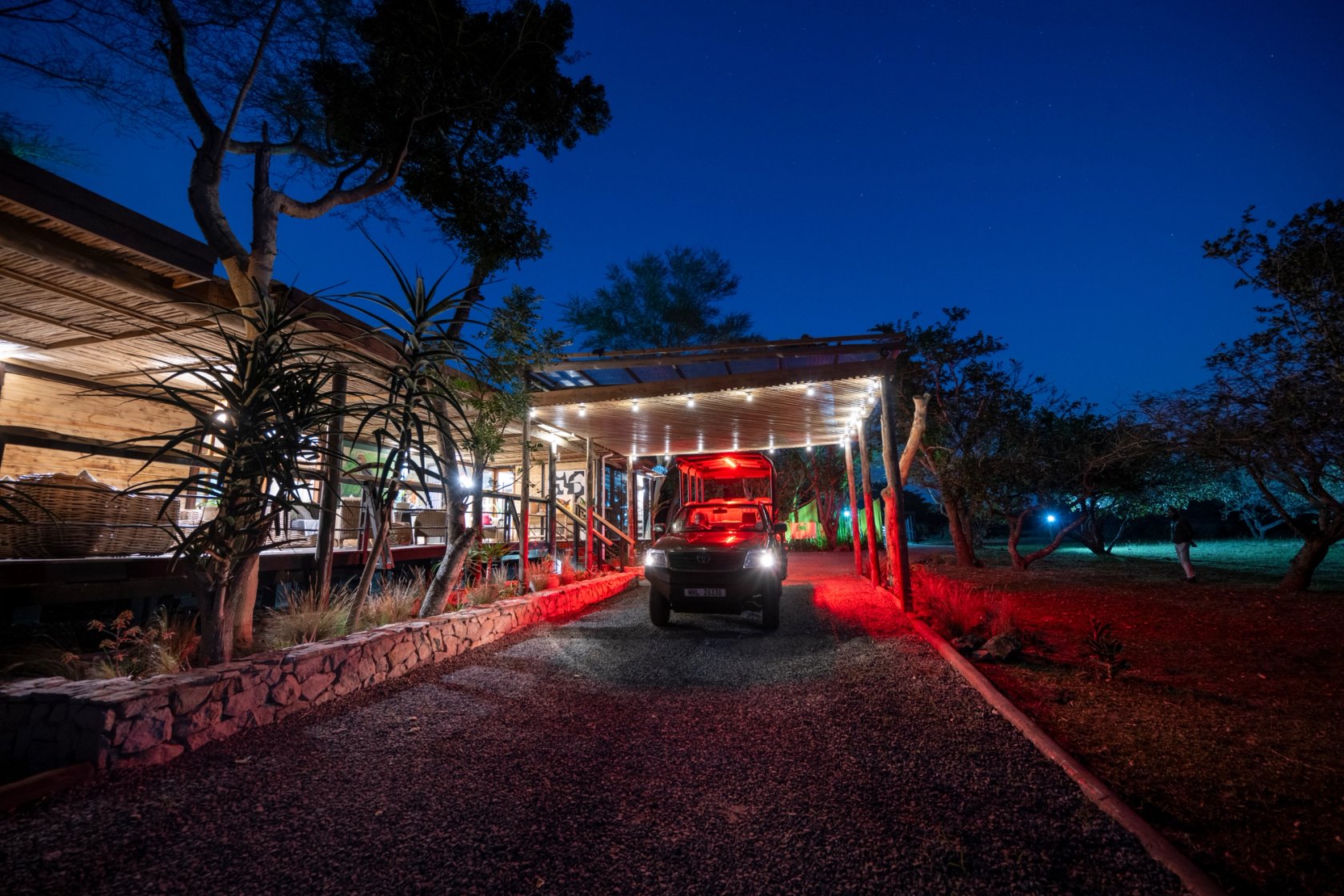
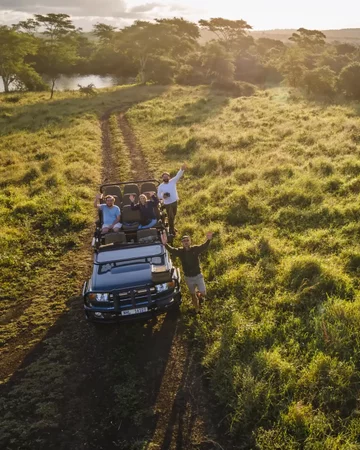
  • An open safari vehicle on a sand track

    Scheduled game drives

    An afternoon drive on arrival day and a morning drive on departure day, per the published basis.

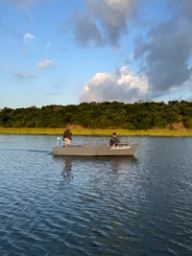
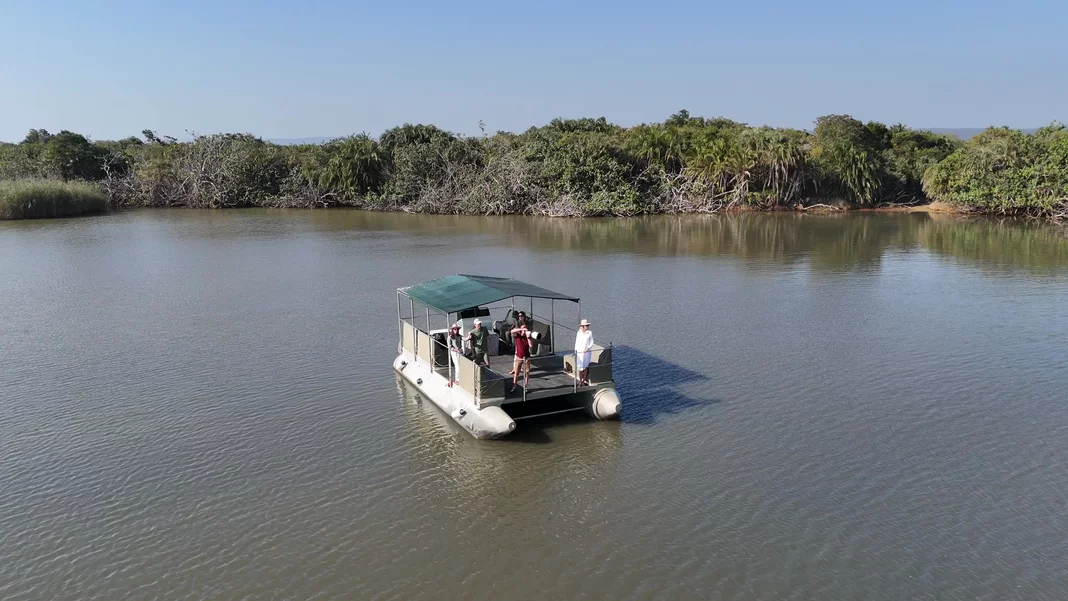
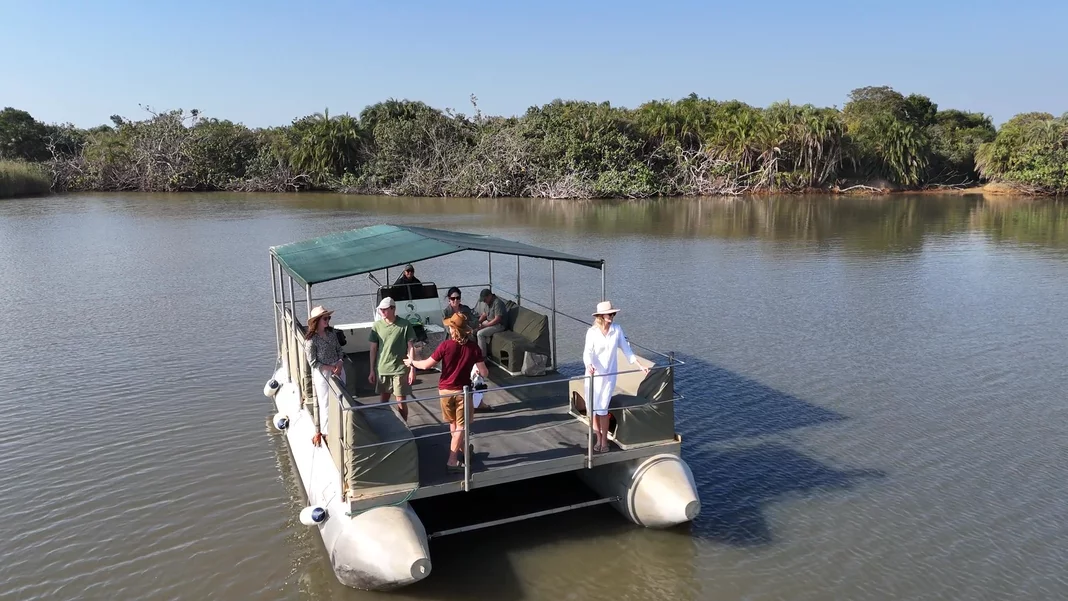
  • A boat crossing a lake at first light

    Eco-boat cruises on Lake St Lucia

    Cruises on the estuary ride the lodge's solar-powered boats.

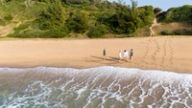
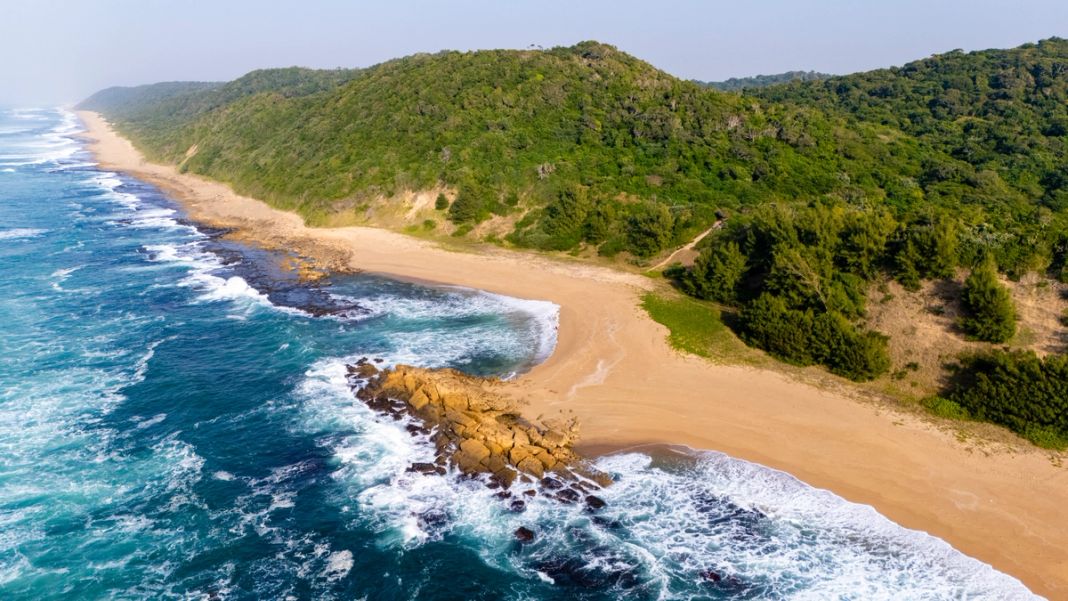
  • An empty beach meeting the Indian Ocean

    Beach and coastal excursions

    Trips to the Indian Ocean beaches of the park are part of the standard basis.

  • A wide lake panorama at dusk

    Full-day wetland excursions

    Full days run by boat and vehicle between the arrival and departure drives, brunch included.

  • A wide lake panorama at dusk

    Full-day Hluhluwe-iMfolozi safari

    A full day to Hluhluwe-iMfolozi or the Western Shores is listed on the lodge's included basis.

Plan your stay

Enquire

We will reply personally within four hours.

Where you stay

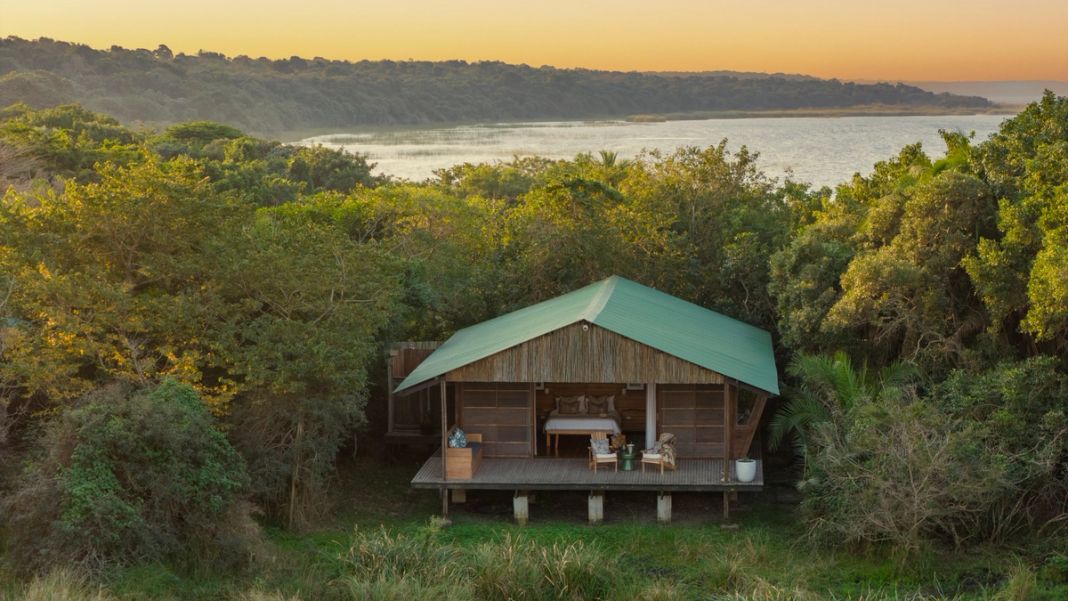
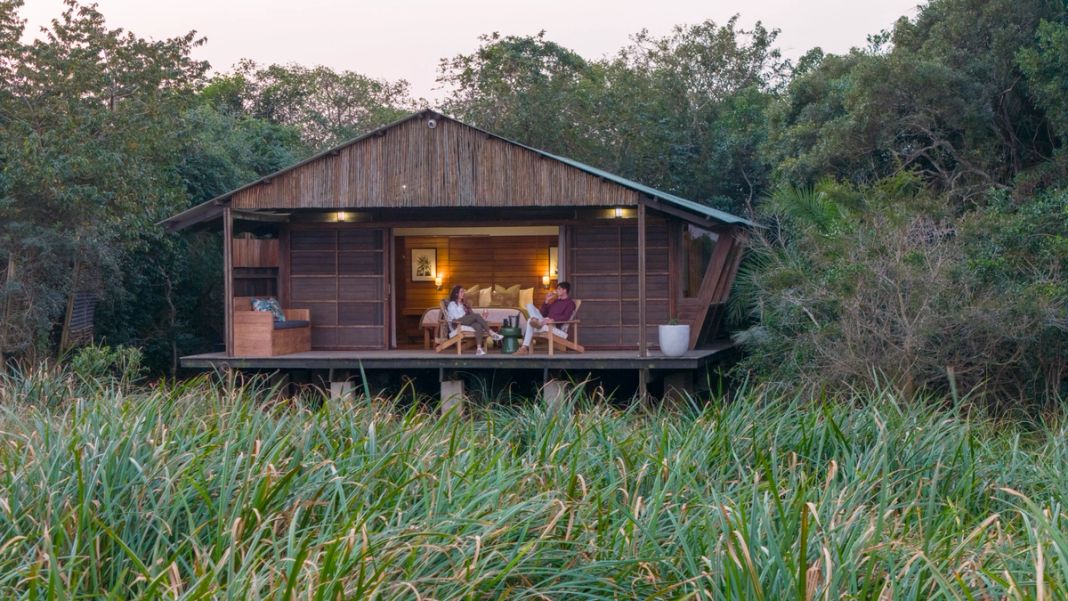
Suites raised among the coastal forest, each turned toward the water.

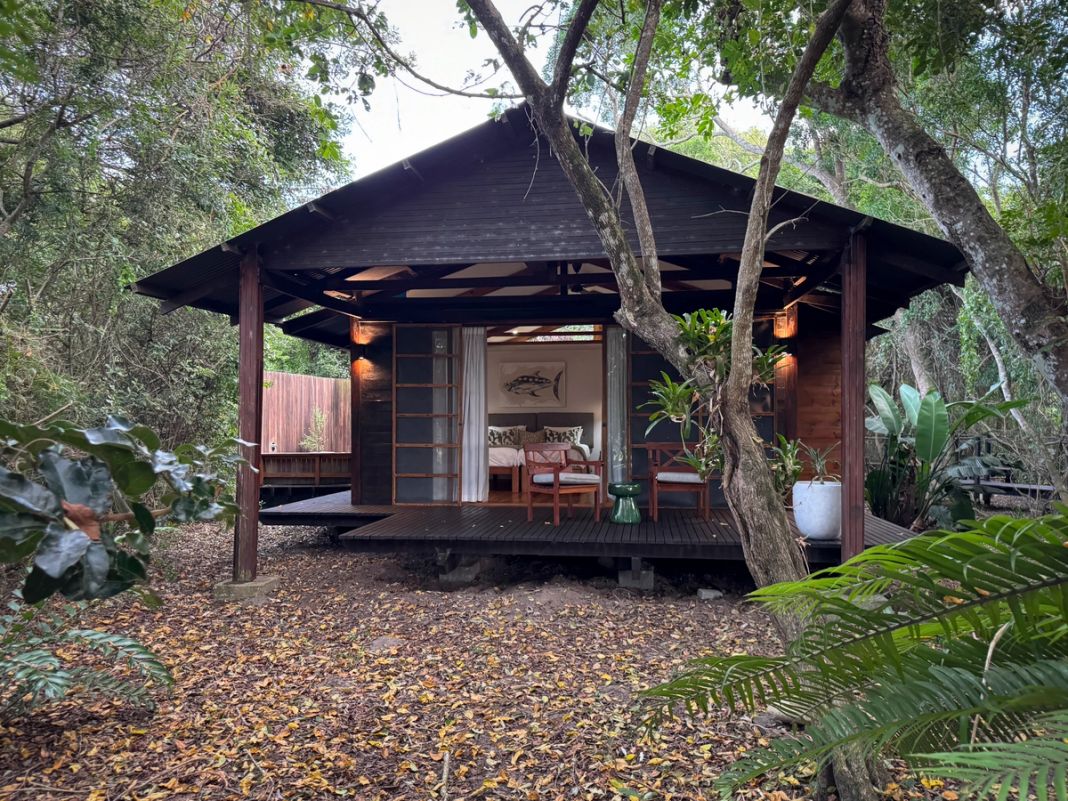
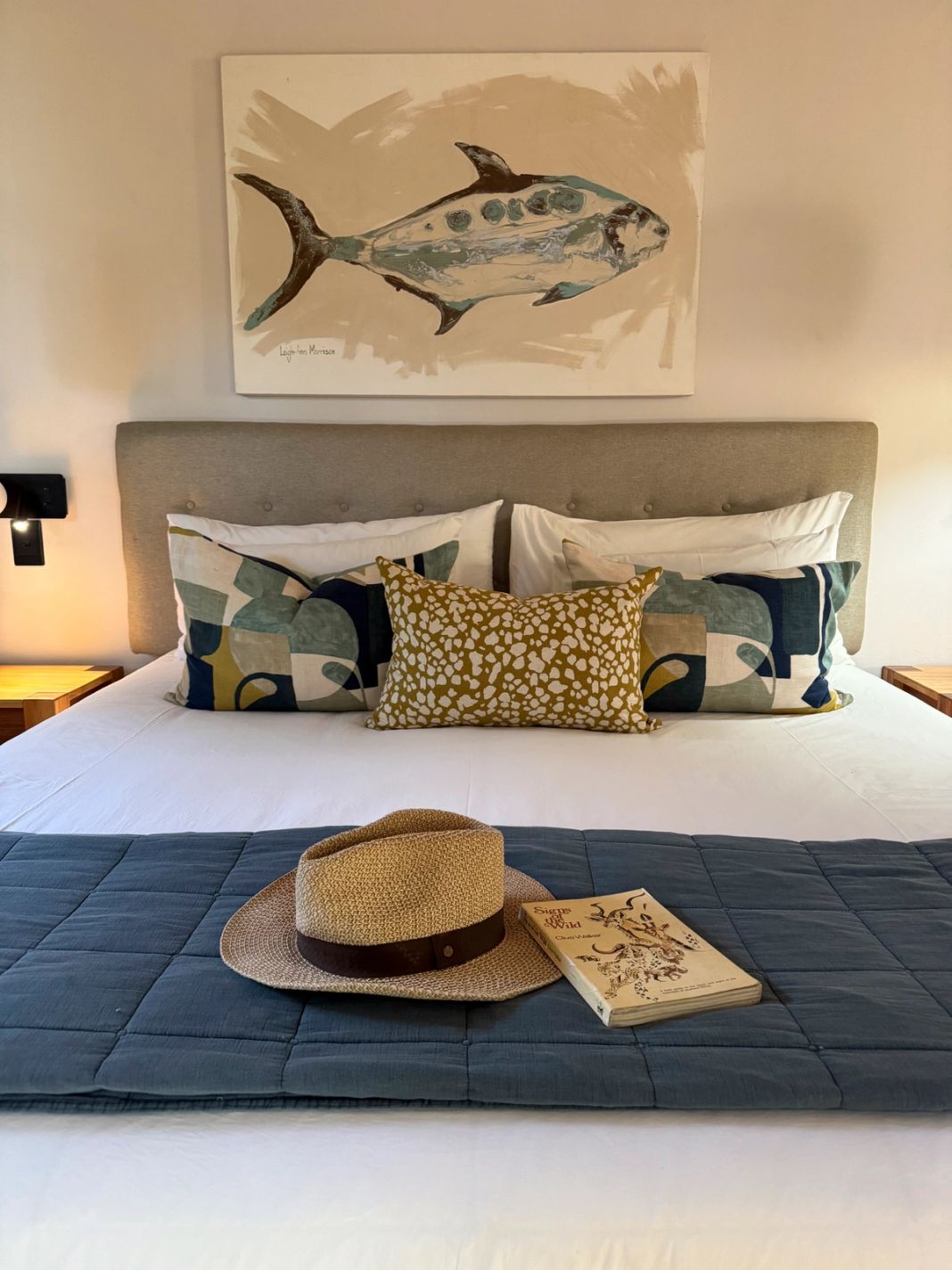
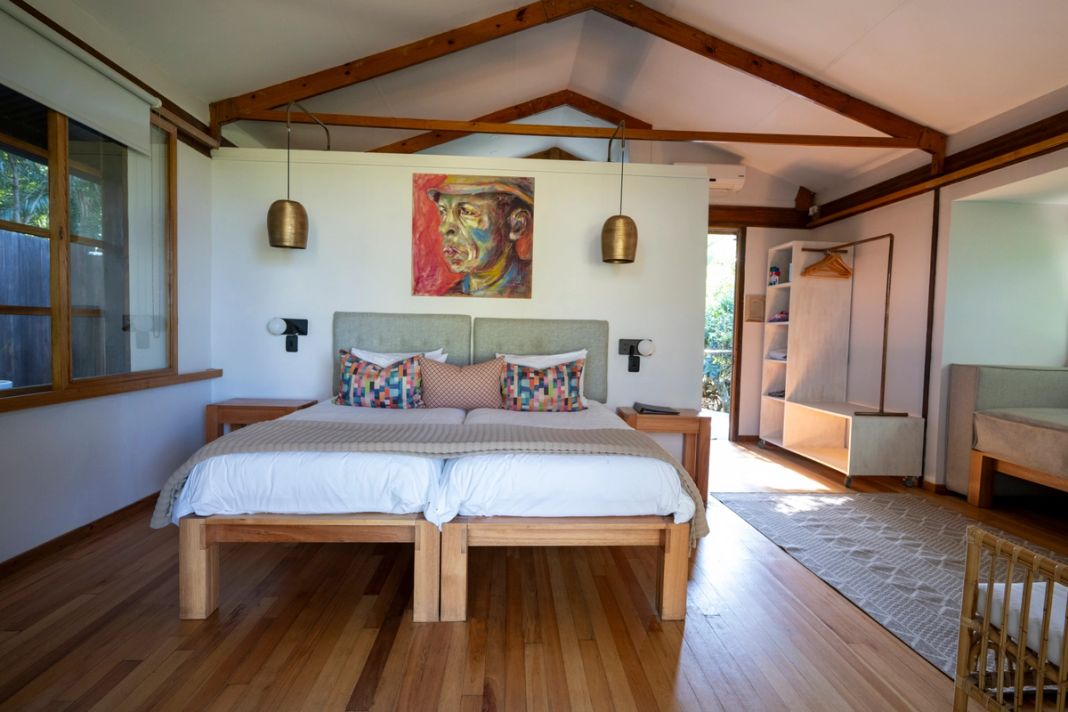
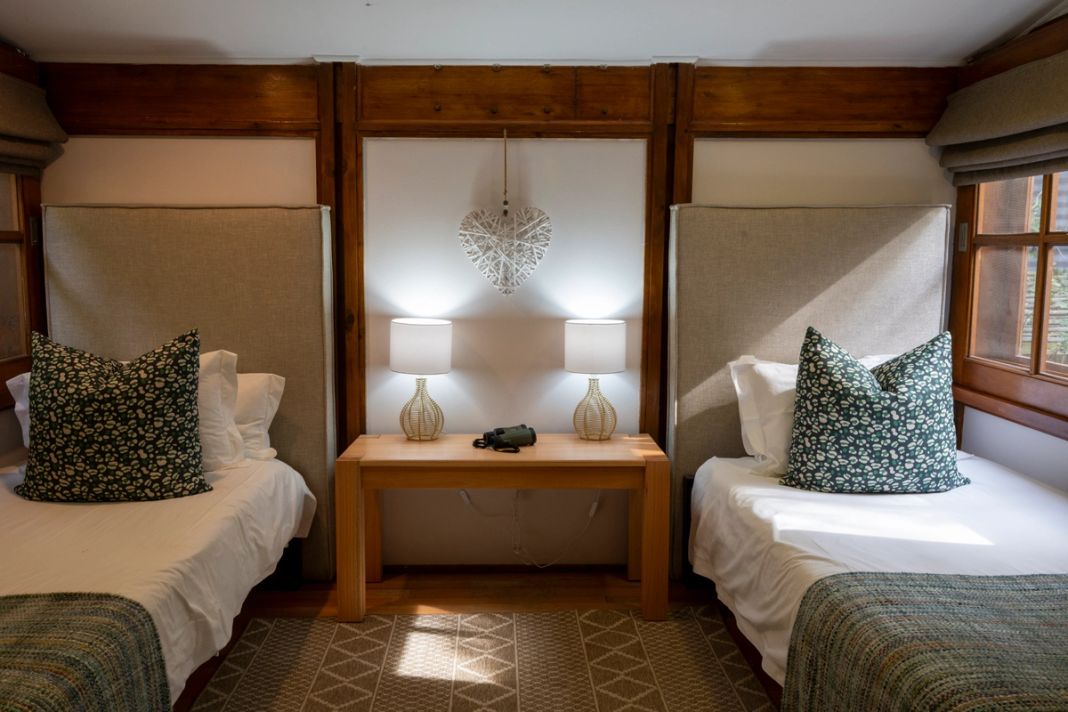
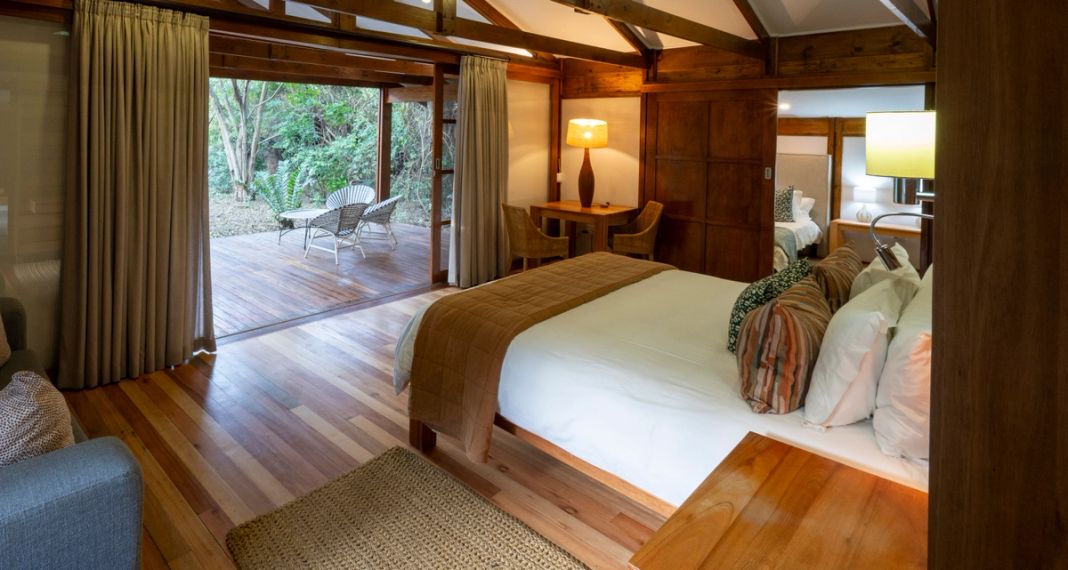
  • A suite interior with a bed and timber detailing
  • A wide view across the floodplain toward Lake St Lucia
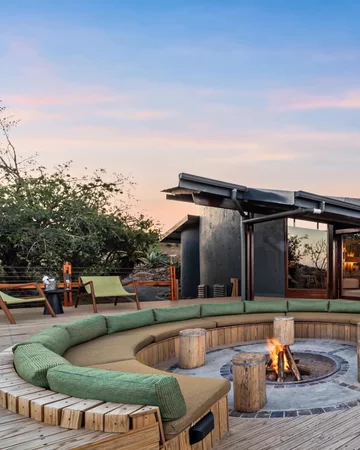
  • The lodge lounge with low seating and natural light
  • The lake at sunset seen from the lodge

Luxury suite

Sleeps 3

A raised suite set among the coastal forest. The deck faces west across the floodplain.

  • A suite interior with a bed and timber detailing
  • A pool deck beside the lodge
  • The lodge lounge with low seating and natural light
  • A wide view across the floodplain toward Lake St Lucia
  • The lake at sunset seen from the lodge

Honeymoon suite

Sleeps 2

A private suite kept apart from the others. Morning light reaches the bed from the east.
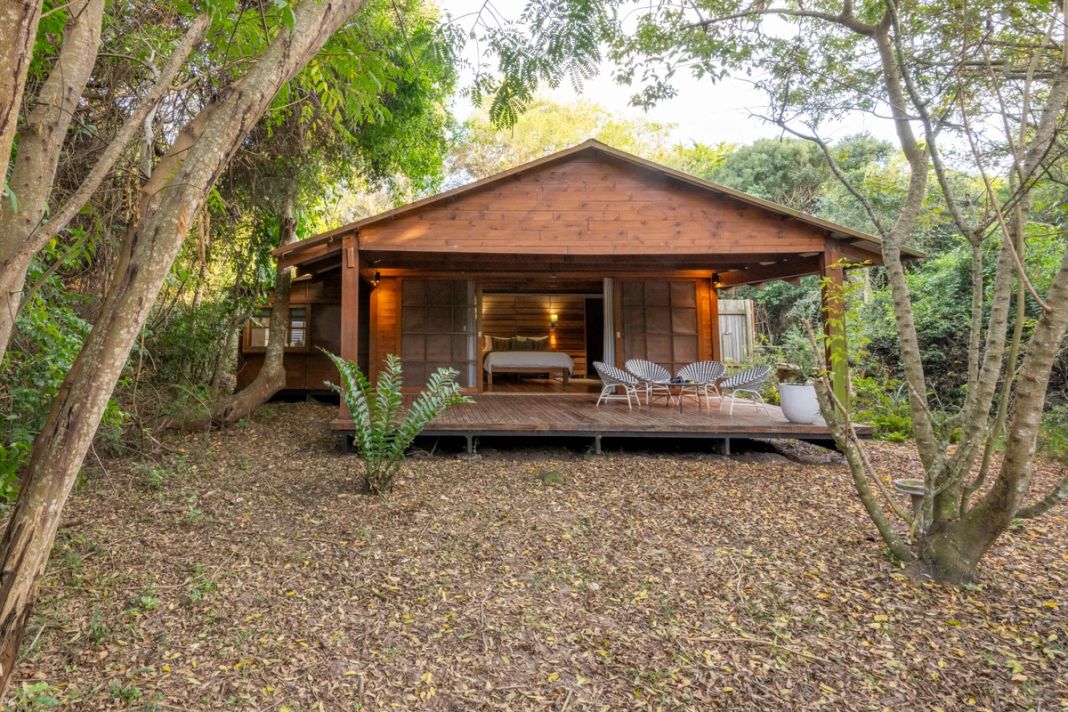
  • A suite interior with a bed and timber detailing
  • The lodge lounge with low seating and natural light
  • A pool deck beside the lodge
  • The lodge set among the coastal forest

Family suite

Sleeps 4

Two interleading rooms for a family. The deck holds the afternoon shade.

Stories

Editorial stories are authored in Sanity and surface here once Studio entries land.

Experiences

Drives, boats, and full days across the wetland park — fully inclusive.
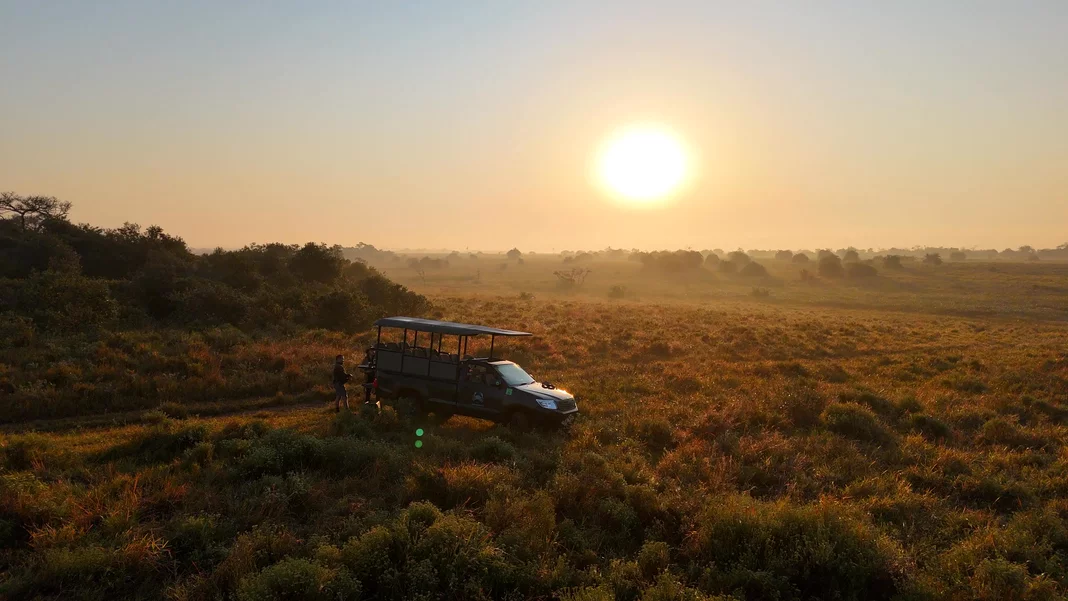
Open vehicle on a game drive at the edge of iSimangaliso wetland

Discover rich biodiversity across pristine wetlands, grasslands, and scenic shores.

Included
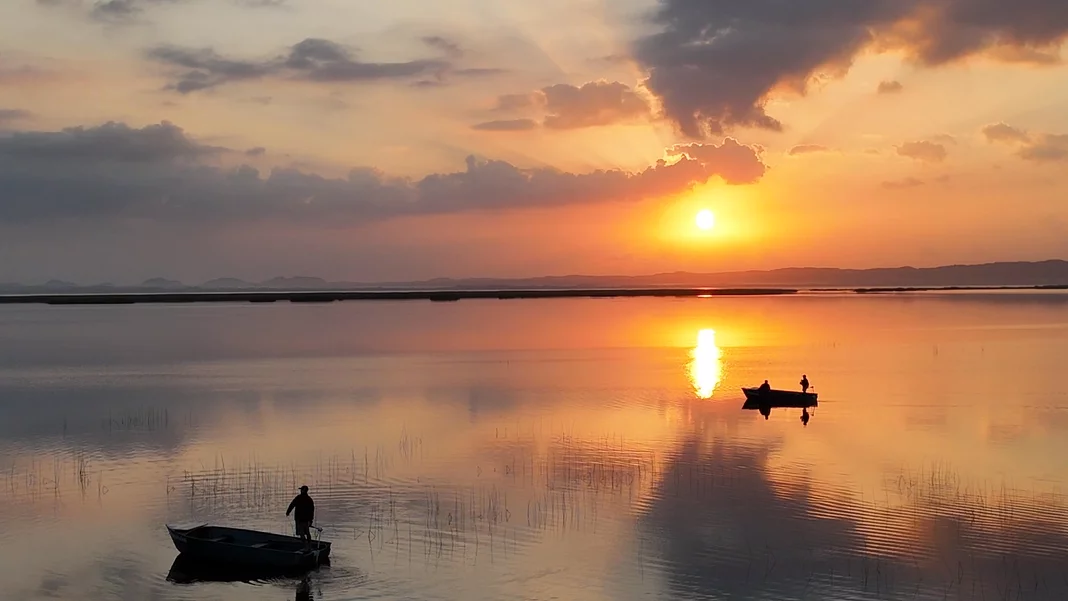
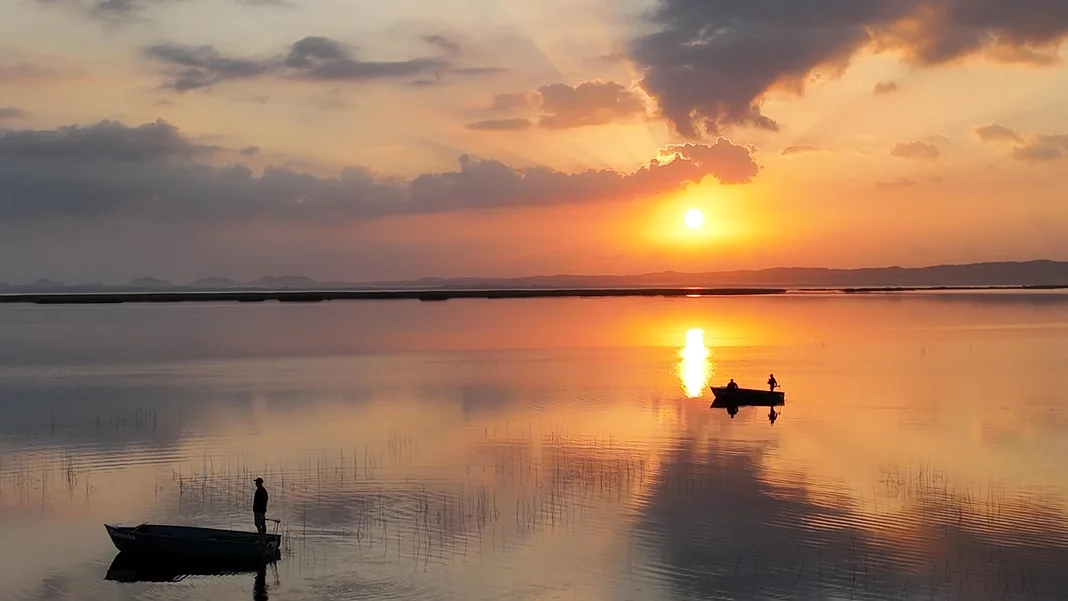
Solar-powered eco-boat on the calm waters of Makakatana Bay at first light

Cruise Makakatana Bay on solar-powered eco-boats as hippos surface beside the reeds.

Included
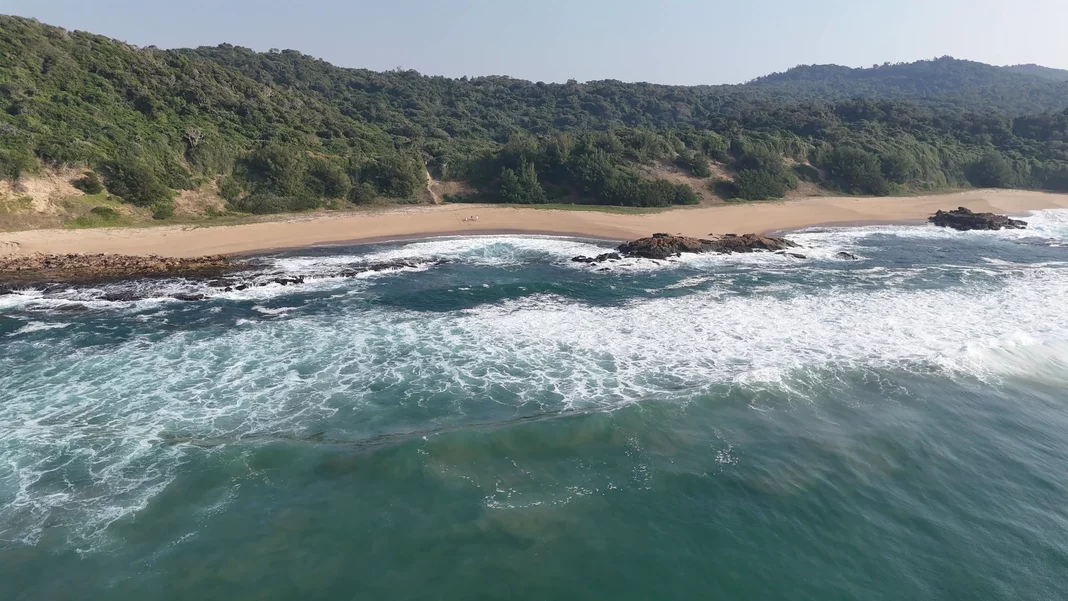
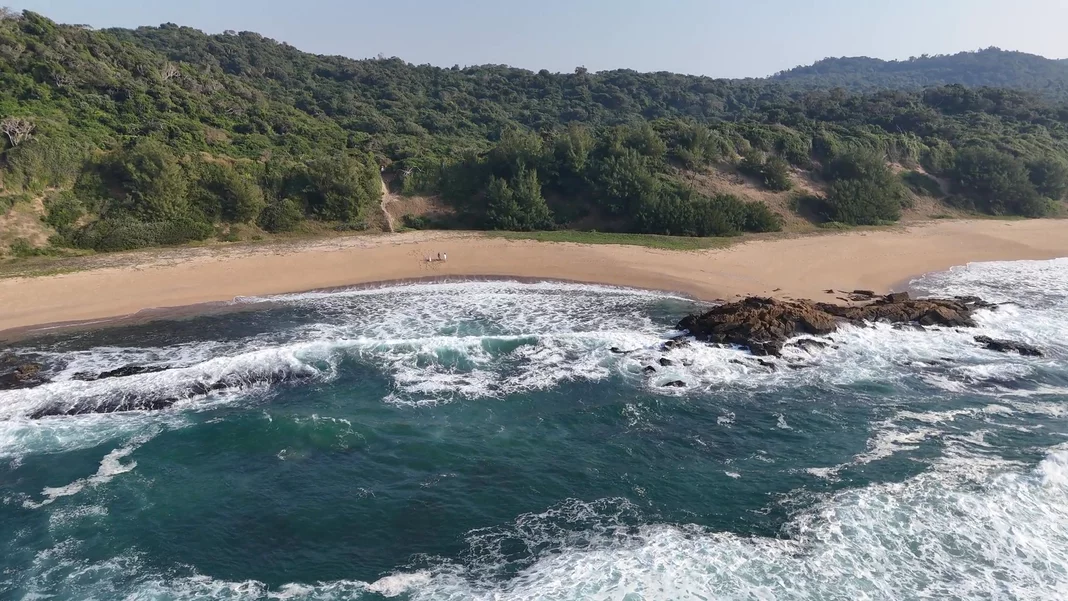
Indigenous coastal forest path opening onto the dune-fringed Indian Ocean

Unwind on pristine Indian Ocean beaches, swim in turquoise waters, and explore iSimangaliso’s stunning coastal dunes and habitats.

Included
The lake at sunset seen from the lodge

Spend a full day on the St Lucia narrows with a picnic lunch aboard.

Included
A wide view across the floodplain toward Lake St Lucia

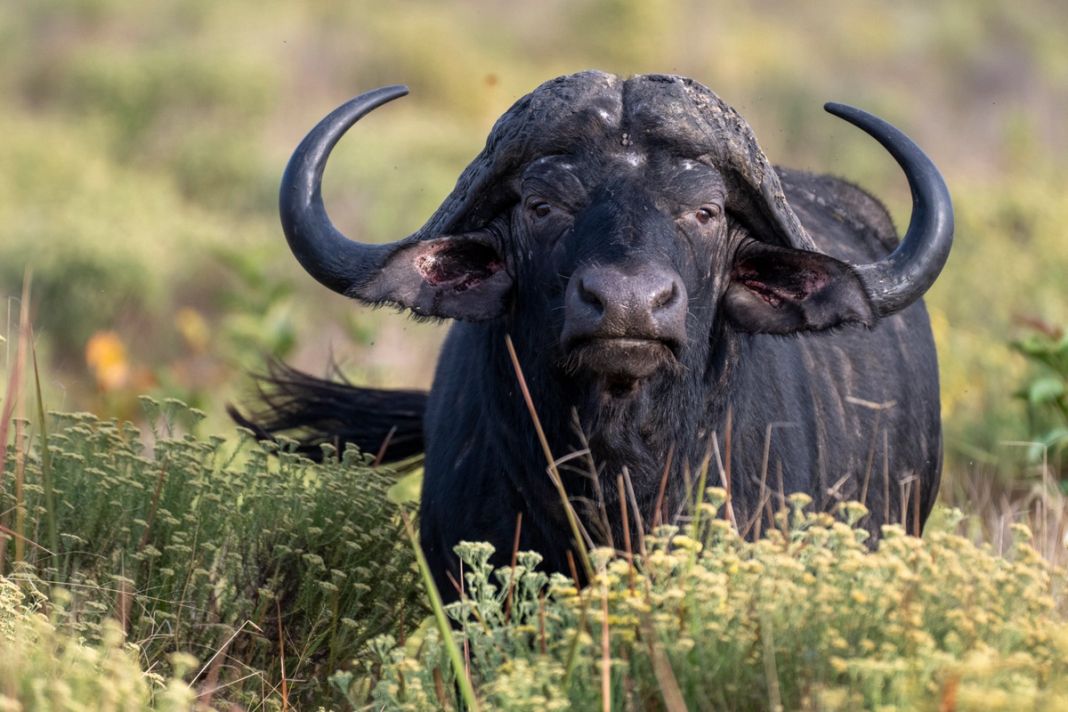
Cross into Hluhluwe–iMfolozi for a full-day Big Five drive with brunch.

Included
Hippos in the shallows at dusk

Follow nesting loggerhead and leatherback turtles on summer night drives.

Extra

Other lodges

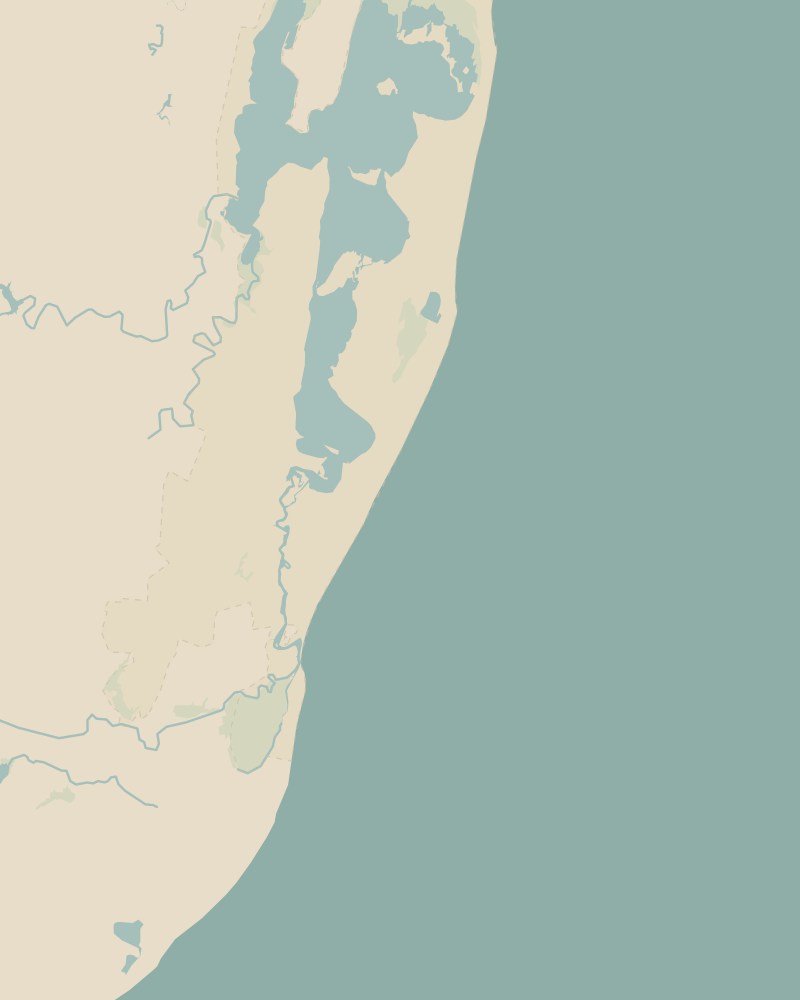
Map

iSimangaliso Wetland Park, KZN, South Africa

The lodge sits on the western shore of Lake St Lucia, inside iSimangaliso Wetland Park. The park became South Africa’s first World Heritage Site in December 1999. It runs from the lake’s southern estuary to the Mozambique border in one protected system.

Lake St Lucia is the largest estuarine lake in Africa. The park holds about 800 hippos and 1 200 Nile crocodiles, and 526 bird species are on the park list. The forested dunes along the coast formed about 25 000 years ago.
Common questions